Work
Mapping the interior of things.
Capture is the front door. This is the practice behind it: spatial experiments, building-intelligence concepts, agent systems, civic technology and a lot of writing. Most of it is research and prototypes. It's here because it shows how we think about places.
Living systems
Selected projects
Prototypes, competition work and proposals. Awards are listed as they were won.
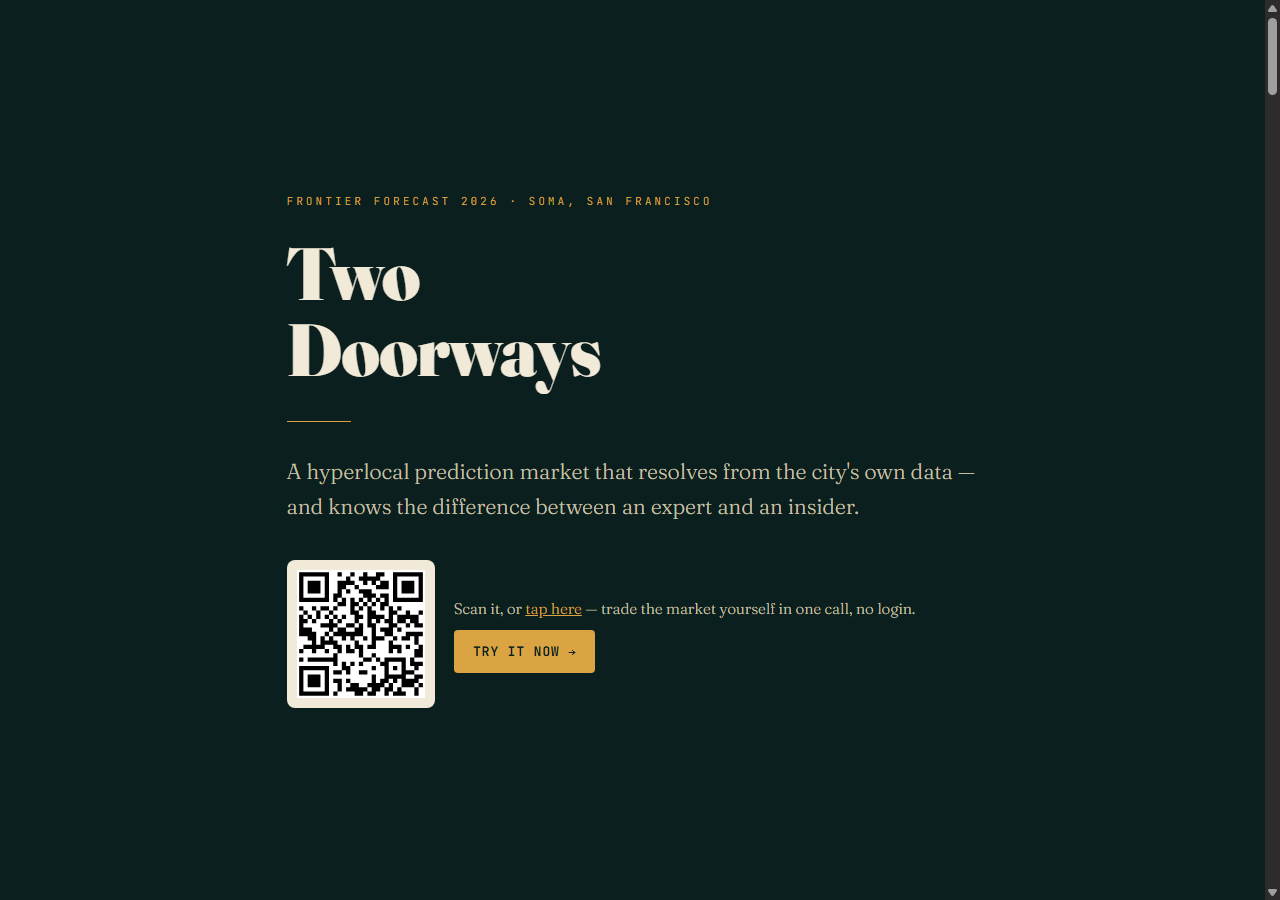
Two Doorways
A hyperlocal prediction market that resolves from a city's own public data — and knows the difference between an expert and an insider who can move the outcome. Built agent-native from day one: a real MCP server, a live DataSF/BLS resolution engine, and markets any AI agent can trade, get gated from, or attest to — not just read.
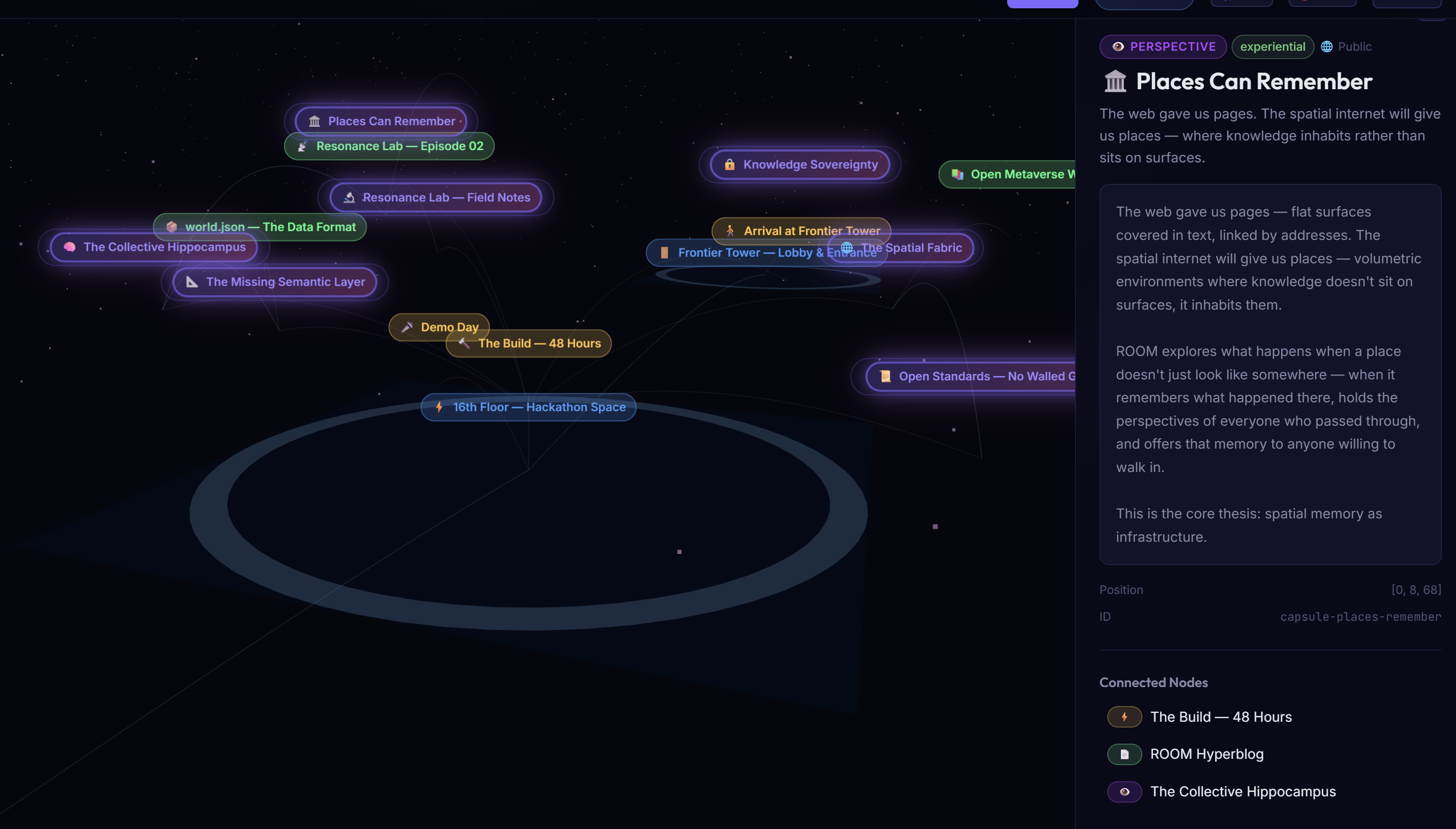
ROOM
More than spatial memory. ROOM is a mindset — the spaces in between. Care is the currency of ROOM. A system for turning buildings into evolving memory structures, where operations, events, and decisions become navigable intelligence.
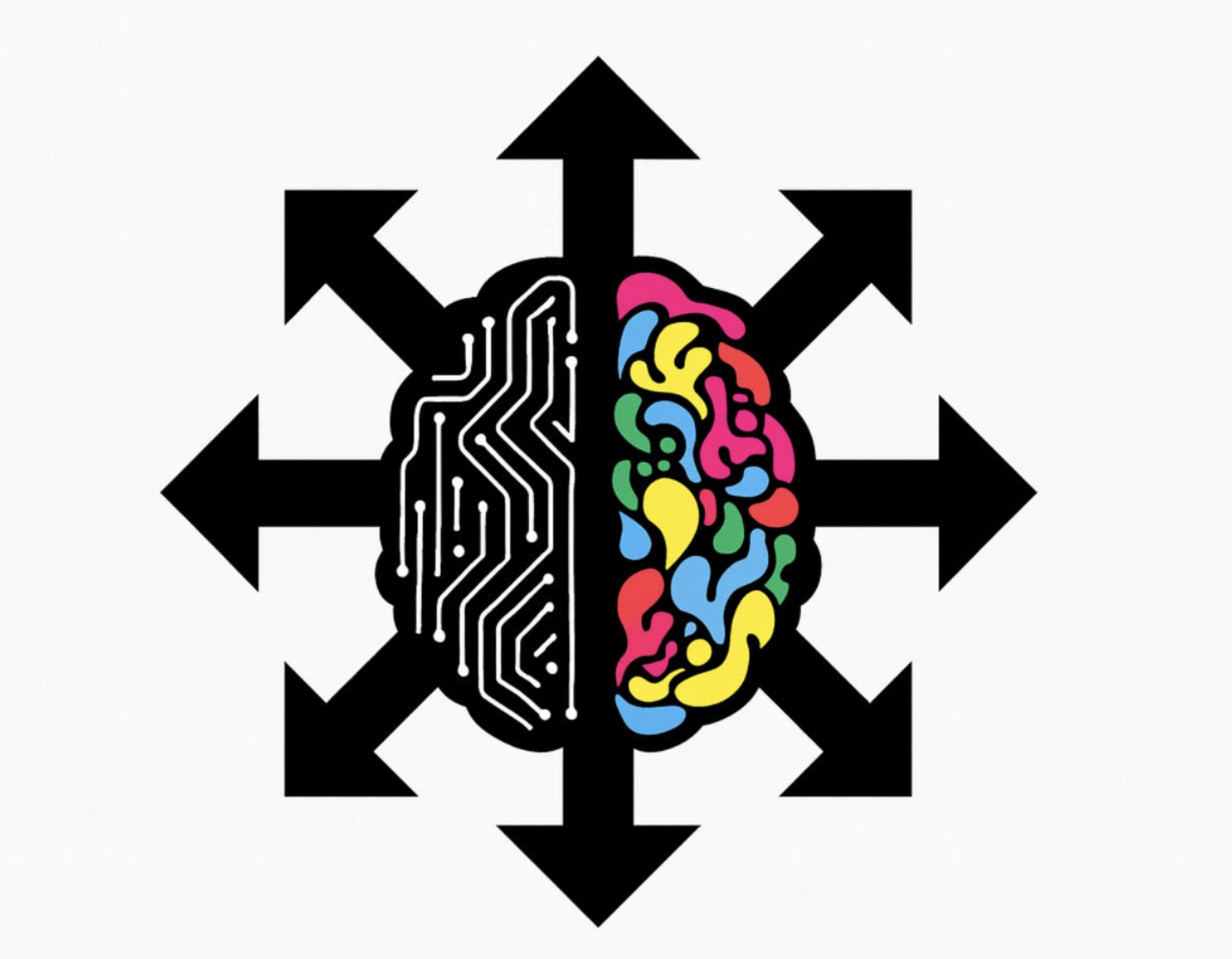
PathfinderXR — 8-Layer Care Map
A tool for caseworkers to offload cognitive complexity — interactive, privacy-preserving experiences that use awe to break through with clients. Helps people build agency and triage needs in order of real importance. Built on the lived experience of casework.
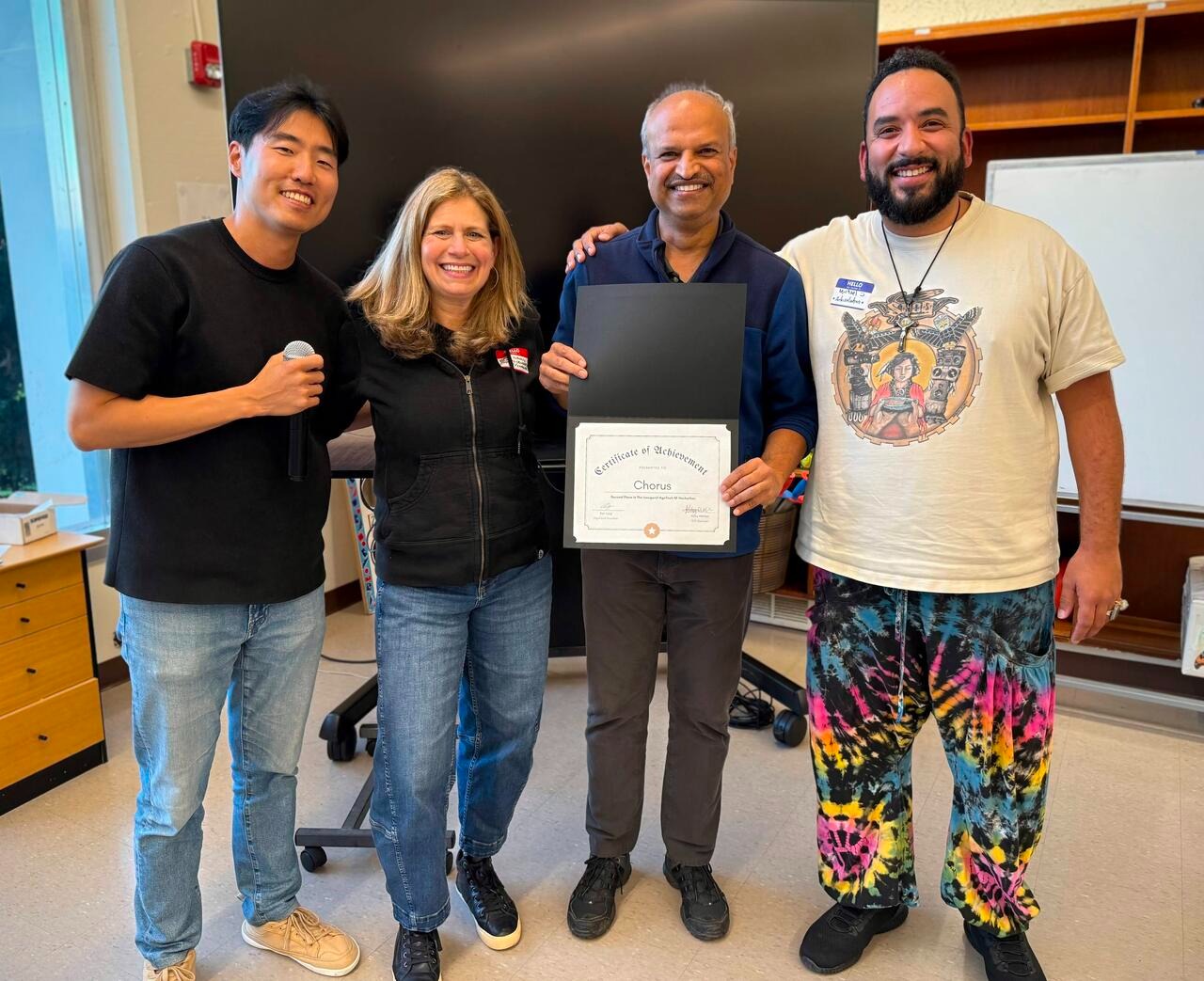
Chorus — The Intergenerational Care Platform
By focusing on connection, purpose, and joy, we proved that caregiving tools can help not just caregivers cope — but help elders and their entire support circle thrive. Built for what's coming as zero-knowledge proof systems evolve to meet the needs of the caregiving ecosystem.
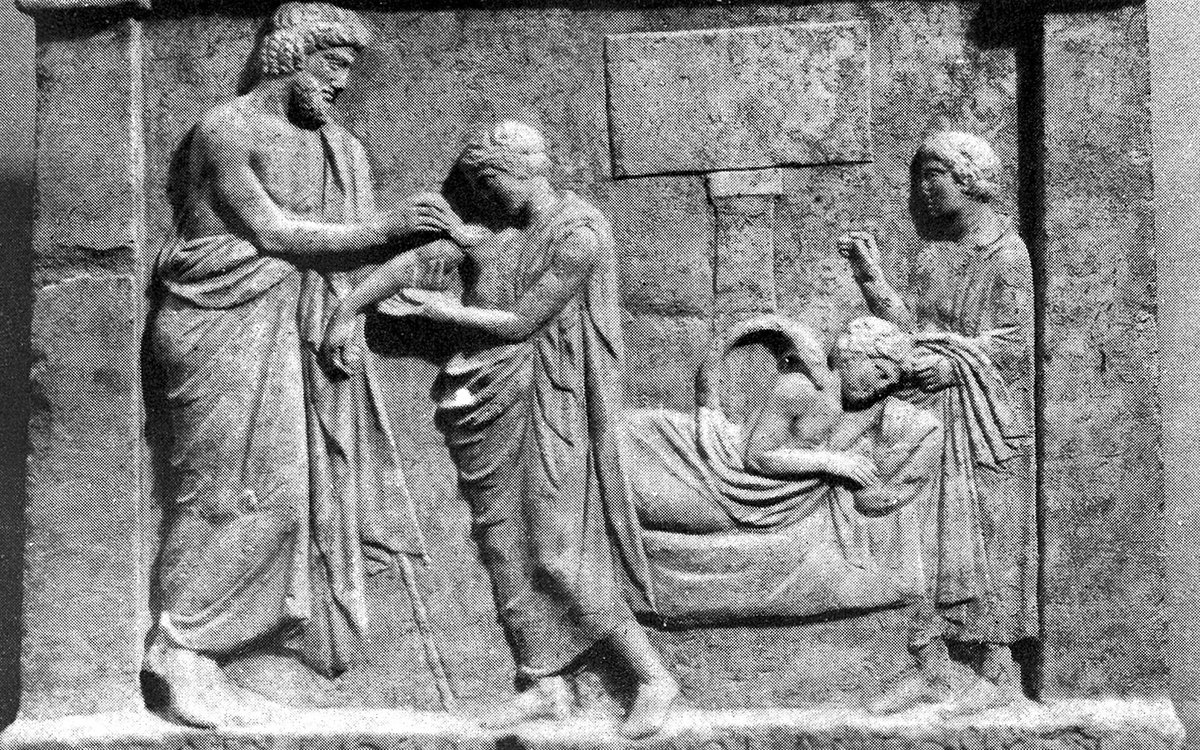
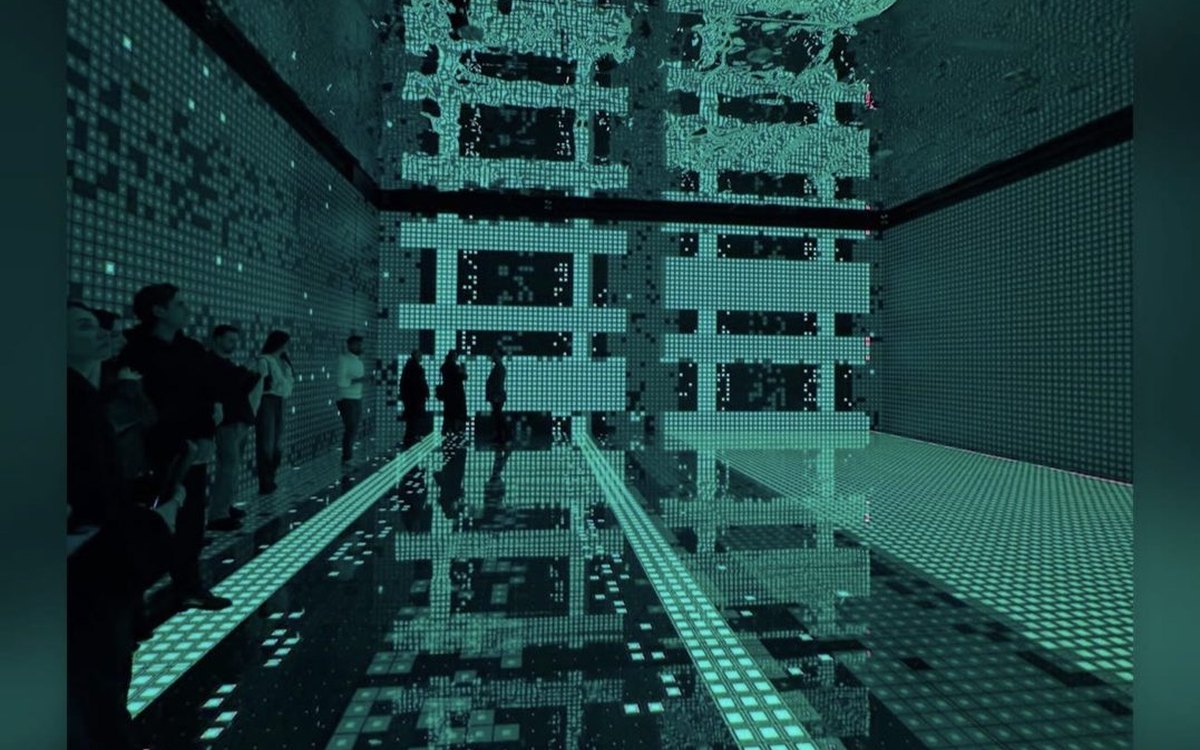
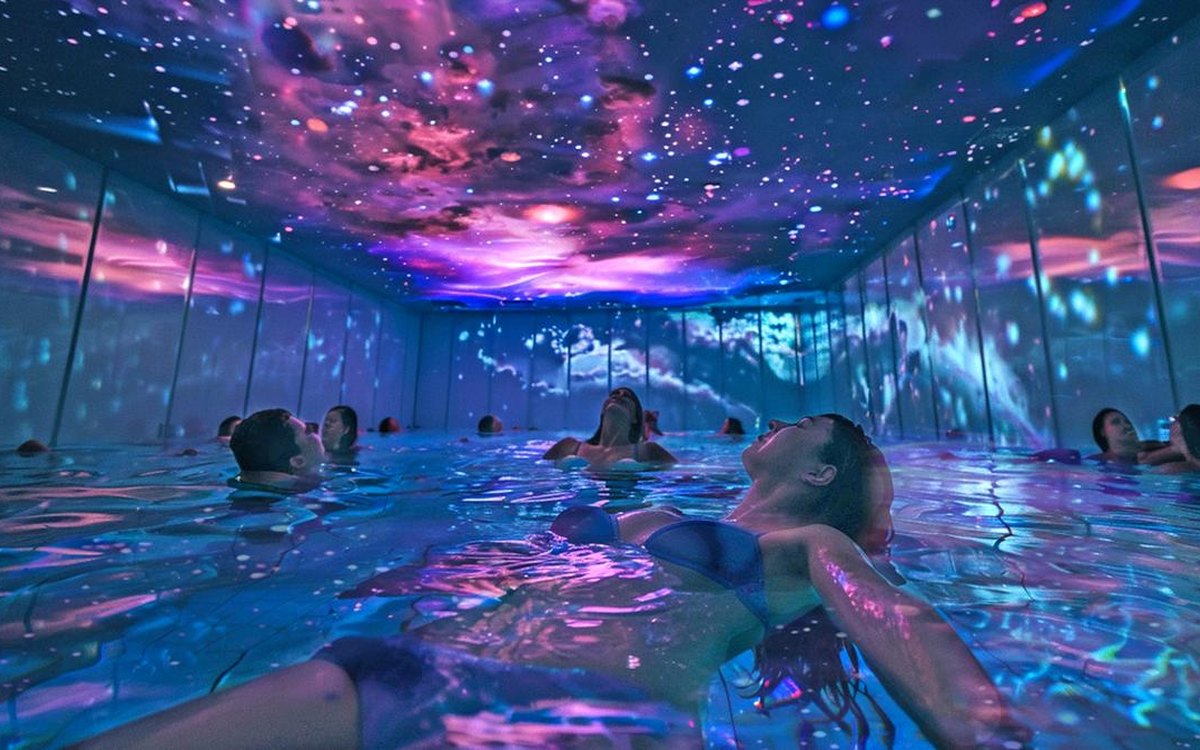
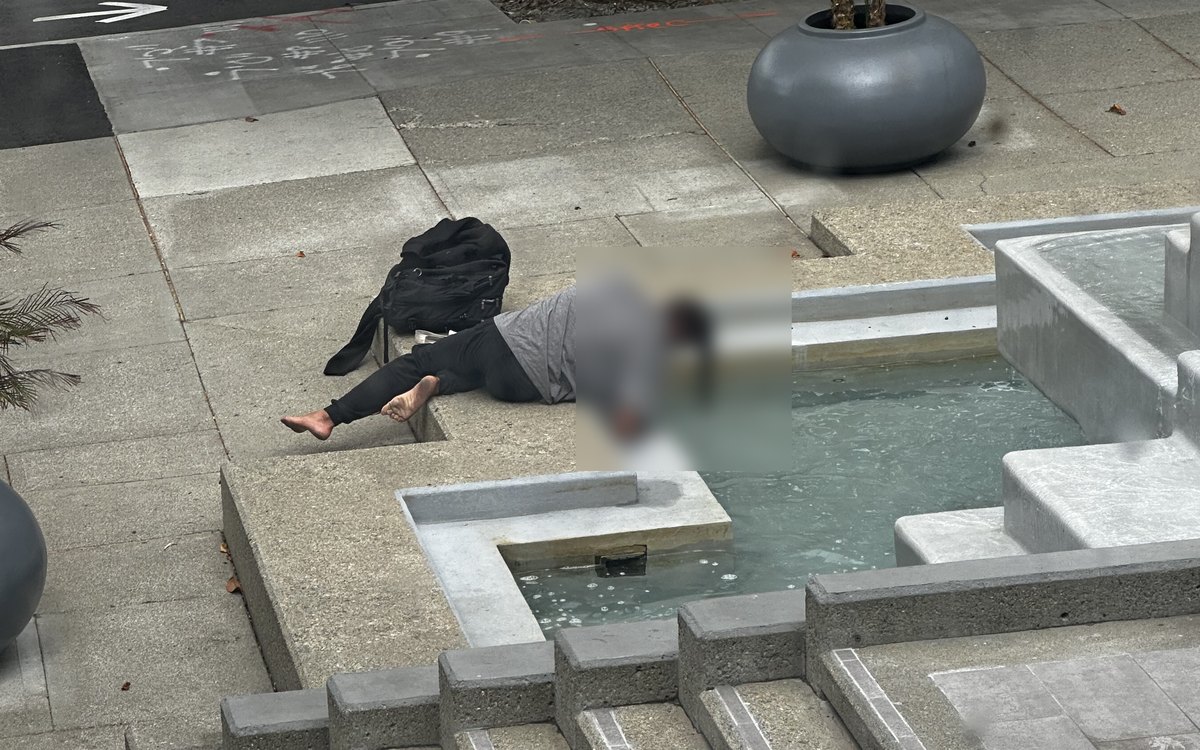
Pharmakon — A Healing Commons for the Seam
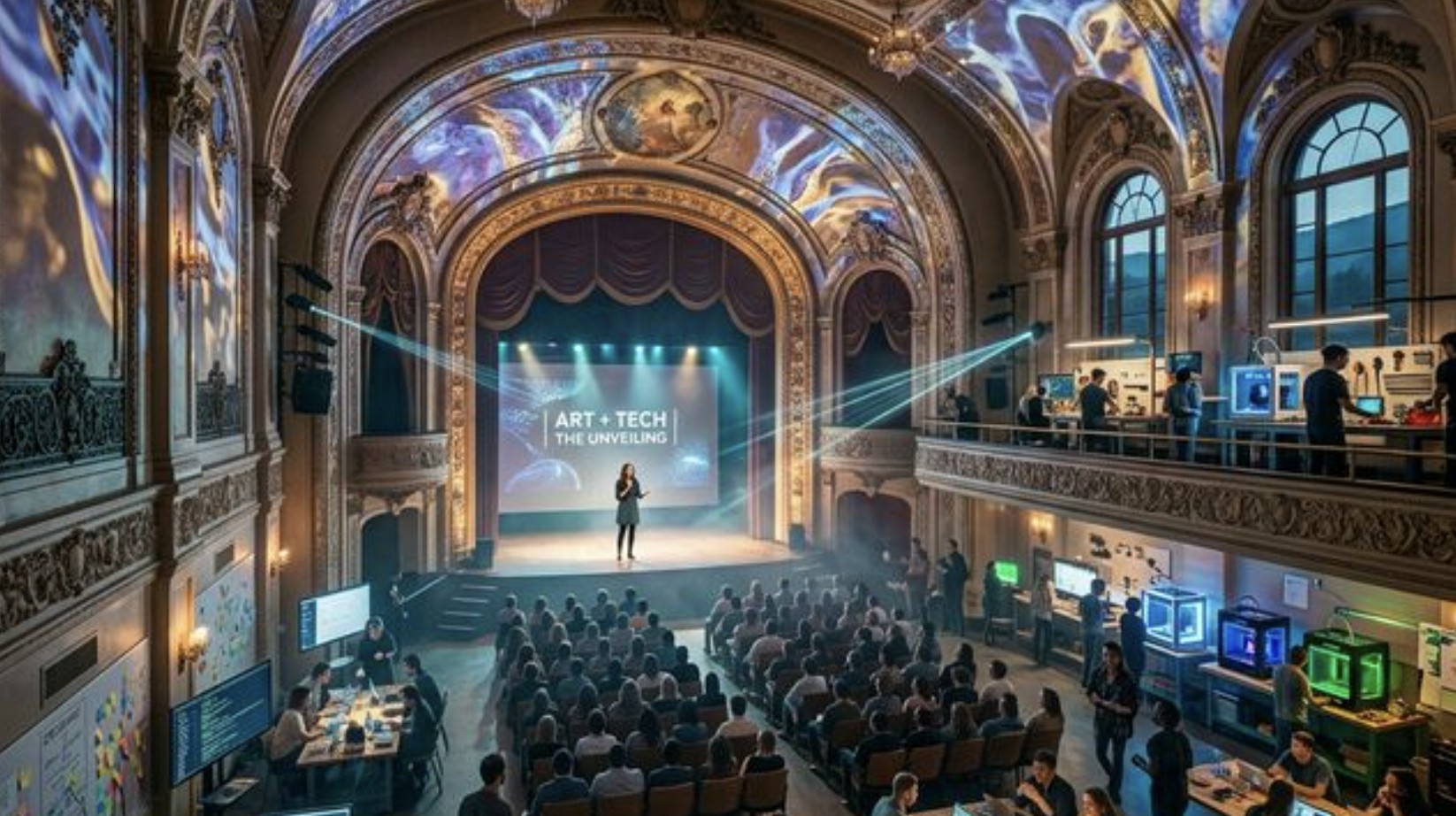
Isolation is a measured mortality risk — and the tools that could meet it, immersive rooms that manufacture awe, are aimed at spectacle instead of the wound. Pharmakon rebuilds the oldest form of medicine: the Asclepian abaton, where people came to rest, dream, and be restored — now made of light, water, and data, sited at the seam of the city where care is already quietly happening.
Kin to Submersive and Dataland — awe as medicine, aimed at the wound. A submittal to Boundless San Francisco.
Dunsmuir Visionary Village
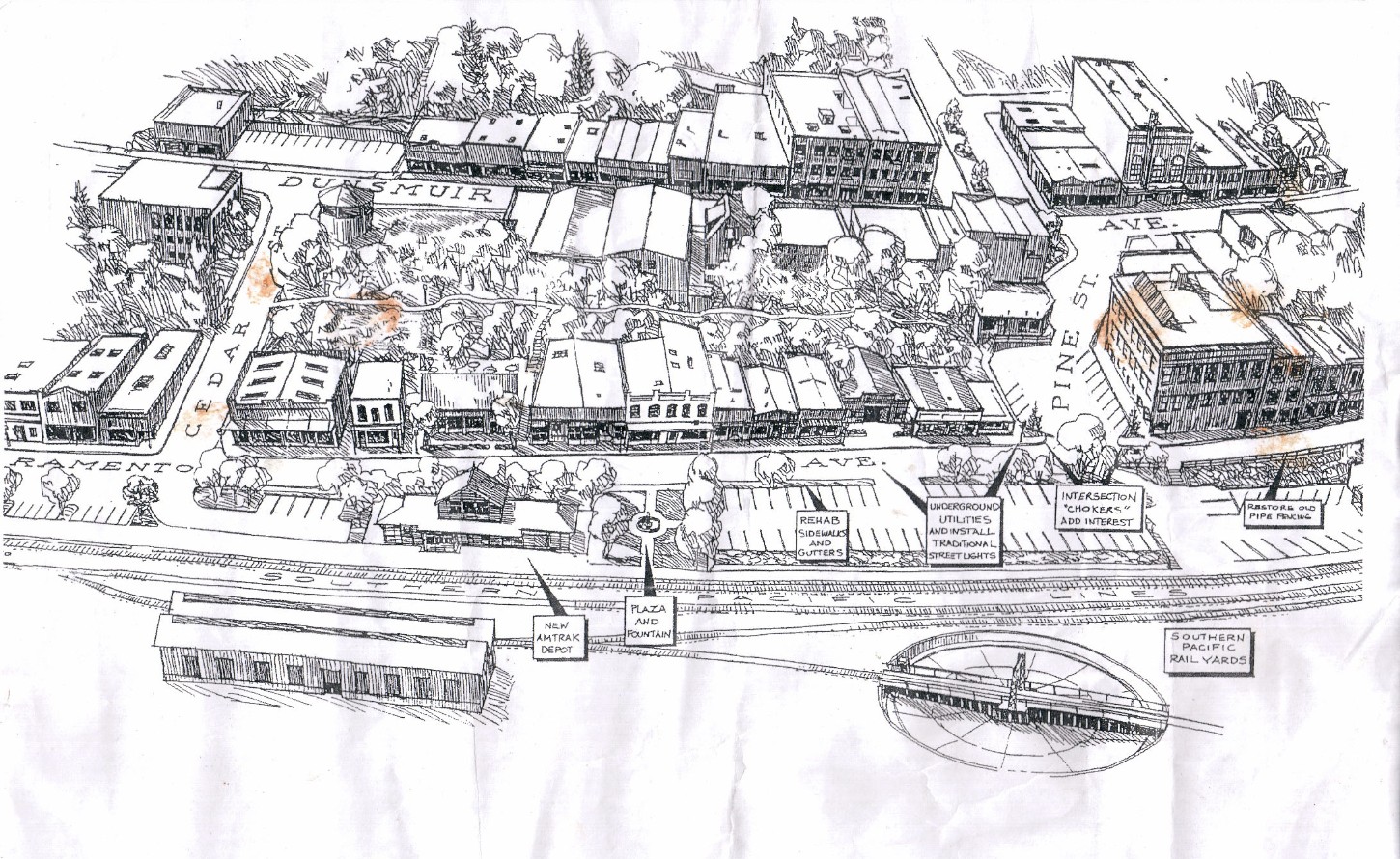
A place-based experiment in spatial memory, narrative systems, and future-state environments — something bigger coming to fruition. Where the land remembers, the buildings hold stories, and the architecture imagines forward. Dunsmuir, California.
Index
Everything, by kind
Projects, prototypes and hyperblogs. Filter by what you're curious about.
Loading the index…
A concept we keep returning to
Place memory. Before it changes.
A photograph mostly preserves an image. A spatial representation can preserve relationships: scale, position, viewpoint, geometry, adjacency, context, and the possibility of virtual re-entry.
That matters most when a place is about to change. Places in transition include:
- Vacancy + turnover
- Renovation
- Construction
- Restoration
- Sale
- Redesign
- Event setup
- Exhibition close
- Ownership transition
- Historic or temporary conditions
A property should be able to retain what is known about it.
Our capture work starts with multifamily vacancies. If you have a space in transition of another kind, tell us about it.
The broader practice
What we can build together
Beyond capture, these are scoped engagements and research collaborations, taken on by conversation. None of it is an off-the-shelf product, and much of it can be built now.
01 · Spatial computing
- Build digital twins and spatial interfaces
- Deploy Gaussian splat and scanning pipelines
- Enable real-world navigation of complex environments
- WebXR experiences on open standards
02 · Knowledge architecture
- Design systems that organize and evolve knowledge
- Build second-brain and agent-assisted infrastructure
- Turn raw data into decision intelligence
- LLM-maintained knowledge bases
03 · Community technology
- Tools for coordination, governance, and shared intelligence
- Non-extractive systems aligned with community ownership
- Place-based organizational infrastructure
04 · Real estate + property
- Spatial capture of units, common areas and buildings (available now)
- Research into building operations as navigable memory
- Reducing blind spots across maintenance, risk, and decisions
- Integrating AI into multi-property environments
Buildings that learn
Turn buildings into learning systems, where operations, maintenance, and decisions become navigable memory.
Data into intelligence
Transform fragmented information across systems into usable, queryable, spatial intelligence.
Spatial interfaces
3D interfaces for navigating complexity: digital twins, knowledge graphs, and immersive environments.
Systems that compound
Knowledge architectures that improve over time. Every question answered makes the next one sharper.
Back to the front door
Start with the place.
Capture of one small space starts at $500. Buildings, portfolios and custom spatial systems are scoped around the problem.